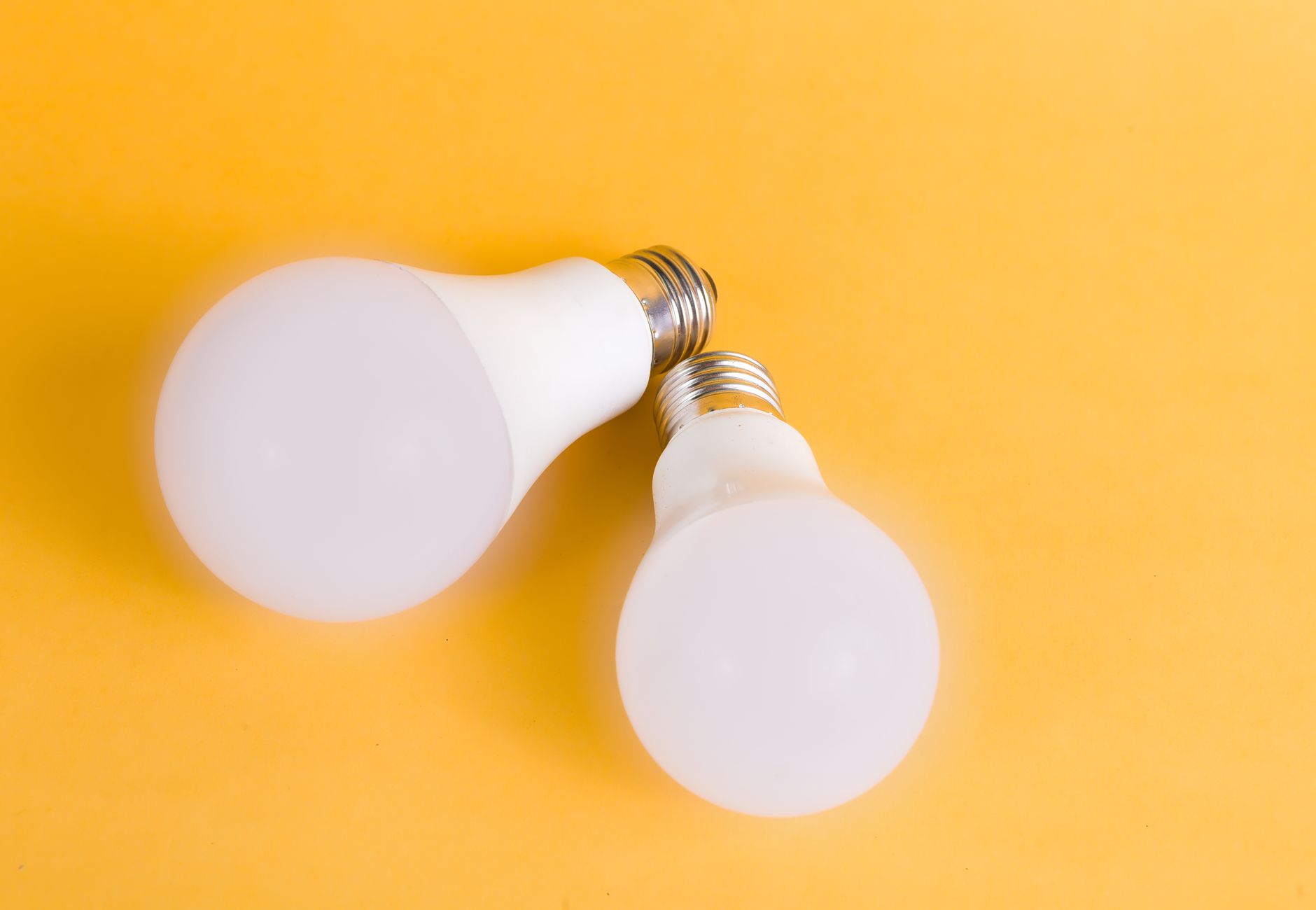
Daily Energy Saving Strategies: Cut Home Bills by £400 — Cost Saver Podcast episode cover
COST SAVER PODCAST • Ep. 6

Daily Energy Saving Strategies: Cut Home Bills by £400

Hosted byAsad & Angela(AI-generated voices)
23 February 202613 min listenSeason 1 • Ep. 6
Daily Energy Saving Strategies: Cut Home Bills by £400

Now Playing · Ep. 6

Daily Energy Saving Strategies: Cut Home Bills by £400

The Cost Saver Podcast

00:000%00:00

AI-generated voices. For information only - not financial advice.

Key moments

Key Takeaways from This Episode

  1. 1Prioritize insulation (loft, cavity wall, floor) as it's the biggest lever for heating cost reduction.
  2. 2Lower your thermostat by just one degree to save approximately £80 annually without noticing the change.
  3. 3Eliminate standby power for devices; it can account for up to 10% of your electricity bill.
  4. 4Replace incandescent bulbs with LEDs to save up to £90 annually from just five bulbs.
  5. 5Adopt small daily habits like shorter showers and washing at 30 degrees for significant cumulative savings.

Episode Dialogue

Asad & Angela — AI-generated hosts

v
A
AngelaWelcome to Cost Saver Conversations. I'm Angela, and I ask the practical questions so you can quickly understand what matters. Today, I'm joined by Asad. Asad: Hi Angela. We are unpacking "Daily Energy Saving Strategies: Cut Home Bills by £400" today and tying it back to the wider Cost Saver ecosystem, including tools like Cheapest Time to Use Electricity, so you can turn insights into action quickly. Angela: Just a heads-up before we dive in: we are your synthetic hosts. We are great with numbers, but as AI, we can sometimes be confidently wrong. Think of us as the digital versions of your most knowledgeable, slightly caffeinated friends. Asad: Exactly. Treat this chat as a smart estimate only, not as professional financial guidance. Always check important details with official sources or a qualified expert before making any big decisions. Angela: So, Asad, energy bills. I feel like this is the thing everyone I know is moaning about right now. And you reckon there's actually quite a lot we can do about it? Asad: Oh, massively, yeah. I mean, look, it's — it's genuinely one of the biggest concerns for households across the UK right now, and, um, what we've seen is that with some pretty straightforward changes, you could be saving anywhere from three hundred to four hundred pounds a year. Angela: Four hundred quid. That's — I mean, for a lot of families that's a month's groceries, isn't it? Asad: Easily, yeah. And the frustrating thing is, most people don't actually know where their money's going. Like, the average UK household spends about one thousand eight hundred pounds a year on energy, but so many are paying way more than they need to because they've just never really looked at the breakdown. Angela: Right. It's one of those bills you just kind of... accept. Asad: Exactly, you just pay it and move on. But then you get someone like Sarah from Leeds — Angela: Oh, go on. Asad: So Sarah actually sat down and properly analysed her usage, and she found she was overpaying by forty-five pounds a month. Forty-five! Turned out her boiler was ancient and running really inefficiently, and her loft insulation was basically — well, inadequate is the polite word. [chuckles] She ended up cutting her annual bills by five hundred and forty pounds. Angela: Wait, five hundred and forty? That's even more than the four hundred you mentioned. That's wild. Asad: Yeah, I mean, her situation was — she had a lot of low-hanging fruit, you know? Not everyone will save that much, but it shows what's possible when you actually understand where the energy's going. Angela: So where IS it going, for most of us? Like, what are the big culprits? Asad: Right, so the — well, the biggest one by far is heating and cooling. That's roughly fifty-five percent of your total energy use. Then water heating, which people always underestimate, that's about eighteen percent. Appliances — your fridge, your washing machine, oven, all that — about fifteen percent. And then lighting makes up the remaining twelve or so percent. Angela: Fifty-five percent on heating. That is... a lot. Asad: It really is. And that's exactly why it's the first place to look. Because if you can make even a modest dent in that fifty-five percent, you're talking real money. Angela: Okay, so let's start there then. What's the — what's the single best thing someone can do about their heating costs? Asad: Insulation. Hands down. It's not the sexiest answer, I know — [laughs] Angela: [laughs] No, it's not exactly glamorous, is it? Asad: But honestly, without proper insulation you're basically paying to heat the outdoors. And the one that gives you the most bang for your buck is loft insulation. Heat rises, right? So if your loft isn't properly insulated, it's just... escaping through the roof. Angela: Mine is ancient. I think it might be less than a hundred millimetres, actually, now you say that. Asad: Yeah, so the recommended depth is two hundred and seventy millimetres. And if yours is under a hundred, topping it up should genuinely be a priority because that alone can save you about a hundred and thirty-five pounds a year. Angela: Just the loft? Asad: Just the loft. Then you've got cavity wall insulation — if you've got cavity walls, and you can usually tell because the walls are thicker than about two hundred and sixty millimetres — filling those can save around a hundred and sixty pounds annually. And then floors, which everyone forgets about, but insulating your ground floor, especially if you've got those older suspended timber floors, saves you between forty and seventy pounds a year. Angela: Okay, so you could be looking at — what, over three hundred quid just from insulation? Asad: Potentially, yeah. Does that make sense as a starting point? Angela: It really does. Okay, what about the tech side? Because I keep hearing about smart thermostats and I'm sort of... intrigued but also a bit intimidated. Asad: [chuckles] Don't be. So smart thermostats — things like Nest, Hive, Tado — they can cut your heating bills by ten to twenty percent. The way they work is they learn your schedule, they adjust temperatures automatically, so you're not — you know, you're not heating an empty house while you're at work. Angela: Right. Asad: And Tado does this really clever thing where it actually looks at local weather forecasts and adjusts your heating before the weather changes. So it's sort of... pre-empting what your house needs. Angela: Oh! I didn't know that. That's actually quite smart. Asad: It is, yeah. The one thing I'd say is — and this catches people out — you need to check compatibility with your boiler before you buy one. Most manufacturers have checkers on their websites. But yeah, installation is usually pretty quick, less than an hour if you're replacing an existing thermostat. Angela: Good to know. And then just, like, daily habits? The stuff that doesn't cost anything? Asad: Yeah, so this is where it gets really interesting. The World Health Organisation recommends keeping your thermostat between eighteen and twenty degrees Celsius in winter for healthy adults. And here's the thing — every single degree above that range adds about ten percent to your heating costs. Angela: Ten percent per degree? Asad: Per degree. So just lowering your thermostat by one degree — one! — can save you approximately eighty pounds a year. Angela: Eighty pounds for one degree. That's — honestly, I wouldn't even notice one degree, would I? Asad: Most people don't. And, you know, the old advice about wearing a jumper? It's boring, but it works. [laughs] A decent jumper is a lot cheaper than heating your whole house to twenty-two degrees. Angela: [laughs] Fair enough. Okay, so we've covered the big one — heating. What about appliances? Because my house is just... full of things plugged in. Asad: Yeah, so appliances are about fifteen percent of your usage. When you're buying new ones, always look for those A or B ratings on the energy label. An A-rated fridge-freezer, for example, uses about forty percent less energy than a D-rated one. That's potentially forty pounds a year saved, just from the fridge. Angela: Forty quid. Just the fridge. Wow. Asad: And then the daily stuff — run full loads in your washing machine and dishwasher, because a half-empty dishwasher uses almost the same energy as a full one, which is kind of... maddening when you think about it. Angela: Hmm, I hadn't thought about it like that. I definitely run mine half-empty sometimes. Asad: And the other big one — and I think this is the one that surprises people most — is standby mode. Devices on standby can account for up to ten percent of your electricity bill. Angela: Ten percent! Just from things being on standby? Asad: Just sitting there with their little red lights on, doing nothing useful, costing you money. [chuckles] Get a power strip for your entertainment centre, flick it off when you're not using it. Done. Angela: I am so guilty of that. Everything's just permanently on standby in my living room. Okay, um, lighting — that's another one, right? Asad: Yeah, lighting's about twelve percent of your bill. And honestly, if you've still got any incandescent bulbs anywhere in your house — Angela: I might have a few lurking... Asad: — get rid of them. [laughs] LEDs use up to eighty percent less energy, they last up to twenty-five times longer, and just replacing five of your most-used bulbs can save you up to ninety pounds a year. Angela: Ninety pounds! From five bulbs. That's actually — that's an easy win. Asad: It really is. And then, you know, the obvious habits — turn off lights when you leave a room, use natural light during the day, open those curtains. Motion sensors in hallways and bathrooms are brilliant too, they're

Episode Notes & Resources

v

Information only. This content is not financial or legal advice.

Credits: The Cost Saver Podcast team, with AI-assisted production and editorial review.

Full Written Guide: Daily Energy Saving Strategies: Cut Home Bills by £400

This podcast episode is based on the companion article for deeper context and references.

Read the full written guide: Daily Energy Saving Strategies: Cut Home Bills by £400

Tools Mentioned in This Episode

Related blogs

FAQ

Q: What is this episode about?

A: This episode covers: energy saving, home bills. It explains the most practical ideas first, highlights common mistakes, and gives clear next steps you can apply to your own situation without needing specialist knowledge.

Q: How long is this episode?

A: This episode is approximately 13:16. You can use key moments to jump directly to sections, revisit the parts that matter most to you, and turn the advice into a short action list after listening.

Q: Can I read this instead?

A: Yes. Check the "Related blog article" section for the full written version with links and references. The written format is useful if you prefer scanning, comparing options line by line, or sharing specific points with family members.

Q: Can I listen on other platforms?

A: Yes. Use Spotify, Apple Podcasts, and Amazon Music links on this page when available. Platform availability can vary by processing time, so if one link is delayed, the web player and companion blog still provide full access.

Q: What other topics are covered?

A: insulation, heating costs, smart thermostats. These are connected to the main discussion so you can understand trade-offs, avoid one-sided decisions, and choose actions that are realistic for your budget and timeline.

Q: Which tools should I use after listening?

A: Start with: Will Renewables Save You Money?, Standby Load Prioritizer, Home Energy Efficiency Planner. You can find them in the Related tools section below. A good approach is to run one baseline scenario first, then test two or three alternatives so your final decision is based on numbers, not guesswork.

Q: Are there related blogs I can read next?

A: Yes. This episode links to 4 related blog articles for deeper context. Reading one follow-up article is often enough to clarify assumptions and help you build a practical weekly or monthly plan.

Topics covered

energy savinghome billsinsulationheating costssmart thermostatsenergy efficient appliancesled lightingwater heatingsolar panelsstandby power

Explore these topics

Pick a topic tag below, then use the quick actions once to browse matching blogs or episodes.

Continue listening